

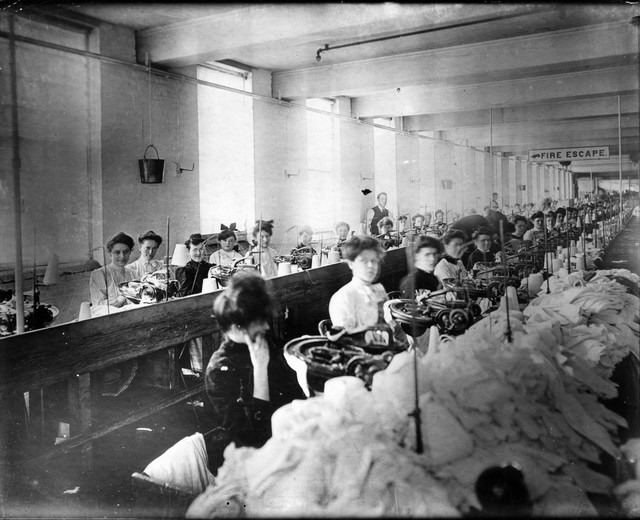
On March 25, 1911, the Triangle Shirtwaist Factory fire began like any other workday in a crowded New York garment factory. Young immigrant women bent over sewing machines, racing against time in a room filled with fabric scraps. Then, in an instant, flames erupted. Within minutes, smoke and fire consumed the upper floors. Workers ran for exits—only to find doors locked. Some crowded flimsy fire escapes; others climbed to windows, where the only choice was to jump. In less than half an hour, 146 workers were dead.
The tragedy was not simply an accident—it was a revelation. The fire exposed a system where profit outweighed human life: blocked exits, inadequate fire escapes, and no effective safety oversight. Witnesses, reformers, and grieving families demanded change. Outrage swept the nation.
From that grief emerged transformation. Investigations led to sweeping reforms: laws requiring unlocked exits, fireproofing, alarms, sprinklers, and limits on working hours. The disaster ignited the modern labor movement and reshaped industrial safety standards.
The legacy of the Triangle fire endures in every workplace regulation today. It stands as a solemn reminder that safety rules are not abstractions—they are written in the memory of those who had no escape.
