

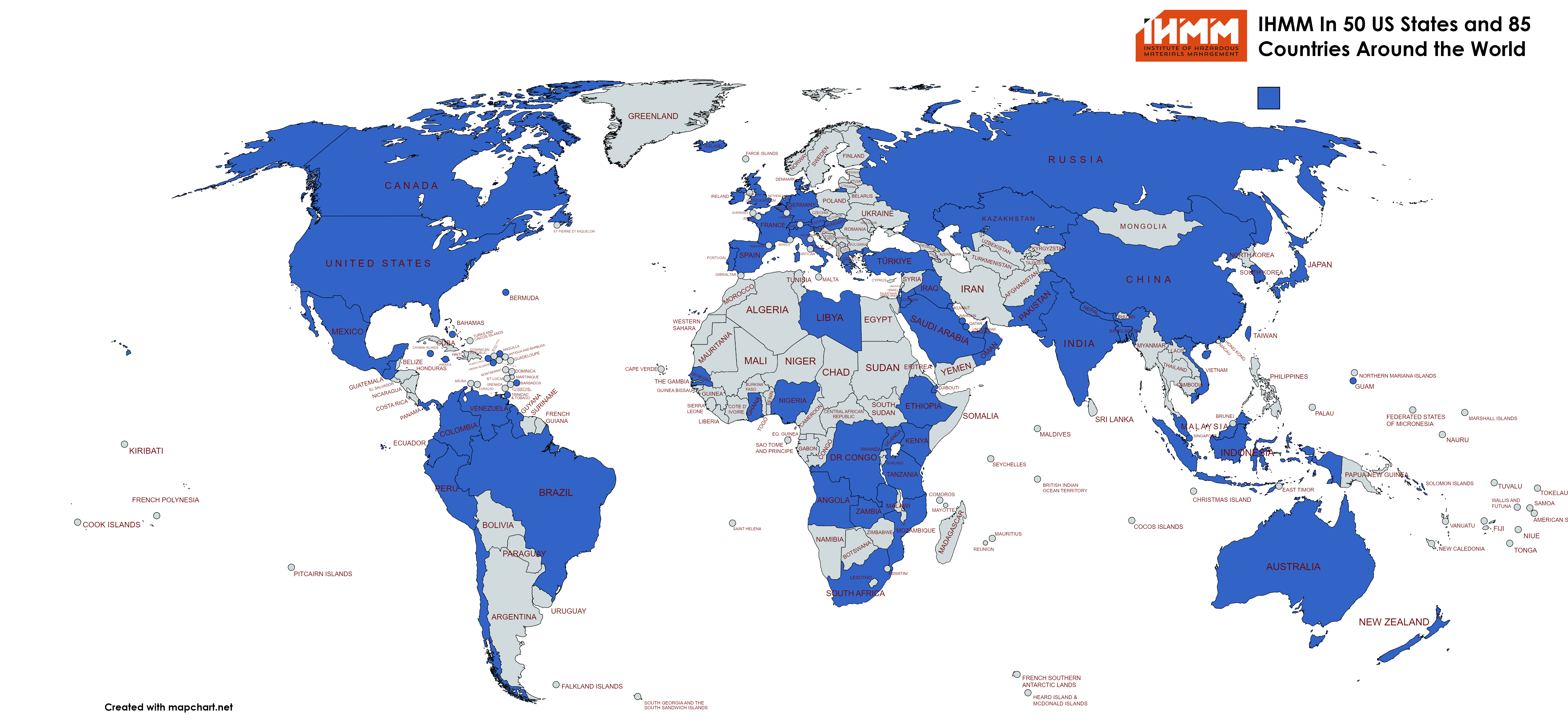
IHMM Global DG Transport Compliance Matrix (2025–2026)
IHMM Certificant Compliance Checklist
The week of April 14–21, 2026 reflects a transition from active rulemaking deadlines to regulatory digestion, enforcement alignment, and forward-looking implementation across North America. In the United States, regulators have moved beyond the close of a major harmonization docket and into internal deliberation. Canada continues to advance standards-driven regulatory change, while Mexico’s trajectory remains defined by modernization coupled with aggressive enforcement—particularly in fuel logistics. Collectively, these developments reinforce a regional trend toward international harmonization, documentation rigor, and expanded multi-agency oversight in dangerous goods transportation.
United States — Post–HM-215R Phase and Enforcement Alignment
The most important U.S. development this week is what did not happen publicly: following the April 13 close of comments on the PHMSA harmonization rulemaking (HM-215R), the Pipeline and Hazardous Materials Safety Administration (PHMSA) has now entered the internal review and adjudication phase of that rule.
Legal Significance
IHMM Submitted Comments on the PHMSA Rulemaking on 4/10/2026
This shift is critical. The administrative record is now closed, and PHMSA will begin:
- Evaluating stakeholder comments,
- Refining proposed regulatory text, and
- Preparing a final rule aligning the Hazardous Materials Regulations (49 C.F.R. Parts 171–180) with international standards.
From a compliance perspective, the implications are immediate:
- Regulated entities should treat the proposed harmonization framework as highly likely to advance, particularly regarding battery classifications, packaging, and multimodal consistency;
- Internal compliance systems should begin aligning with UN Model Regulations, ICAO Technical Instructions, and IMDG Code Amendment 42-24, even before formal adoption; and
- Companies that failed to engage in the comment process have effectively forfeited their opportunity to influence the final rule.
Enforcement Posture
PHMSA enforcement activity during this period continues to emphasize:
- Lithium-ion and emerging battery chemistries,
- Undeclared or misdeclared hazardous materials, particularly in parcel and e-commerce channels, and
- Documentation accuracy, including shipping papers and hazard communication.
The legal takeaway is that documentation errors are increasingly treated as substantive violations, not clerical oversights.
Canada — Standards-Based Regulation Continues to Advance
Canada’s regulatory developments during this week remain anchored in the Transportation of Dangerous Goods (TDG) framework, with continued movement toward spring 2026 amendments and ongoing updates to incorporated technical standards.
CAN/CGSB-43.150 Update
Transport Canada continues its consultation and revision process for CAN/CGSB-43.150, a key standard governing the design, manufacture, and use of containers for dangerous goods.
Legal Significance
Canada’s reliance on incorporation by reference remains one of the most important compliance features in North America:
- Once updated, the revised standard becomes legally binding without rewriting the TDG Regulations;
- A transition period will apply, but compliance obligations attach immediately thereafter; and
- Regulated parties must actively monitor standards development bodies, not just regulatory publications.
Practical Impact
For operators, this means:
- Potential changes to cylinder specifications, packaging requirements, and inspection protocols;
- Increased need for technical validation and documentation; and
- Heightened compliance risk where internal systems fail to track evolving standards.
Canada continues to emphasize alignment with international dangerous goods frameworks and modernization of regulatory oversight, particularly for emerging technologies.
Mexico — Enforcement Expansion and Regulatory Modernization
Mexico’s regulatory environment continues to evolve along two parallel tracks: formal modernization and intensified enforcement activity.
Regulatory Framework — PROY-NOM-011-SICT2/2025
Mexico continues advancing its proposed standard governing limited quantities of dangerous goods, aligning national requirements with UN Model Regulations while tightening conditions for:
- Marking and labeling,
- Packaging integrity, and
- Documentation compliance.
Important News Development — Fuel Transport Crackdown
The most significant development this week remains federal enforcement actions targeting fuel smuggling and misdeclared petroleum cargoes.
Authorities are:
- Expanding investigations into mislabeling of fuels during transport,
- Increasing oversight at ports and inland transport hubs, and
- Coordinating enforcement across transport, customs, and law enforcement agencies.
Legal Significance
This enforcement trend has materially altered the legal risk landscape:
- Shipping documentation is now subject to multi-jurisdictional scrutiny, including customs and criminal enforcement;
- Misdeclared hazardous materials—especially fuels—may result in civil penalties, seizure, and criminal liability; and
- Operators must ensure full traceability and consistency across documentation systems.
For hazardous materials transporters, Mexico now presents one of the most enforcement-intensive environments in North America, particularly for energy-related commodities.
Cross-Border Legal Themes
Several key themes define the North American regulatory landscape for this period:
1. Transition from Rulemaking to Implementation
- The U.S. has moved from comment period to rule finalization;
- Canada continues standards-driven implementation;
- Mexico combines regulatory development with active enforcement.
2. Documentation Integrity as a Central Legal Risk
Across all jurisdictions, regulators are prioritizing:
- Accurate classification,
- Proper shipping names, and
- Consistency across multimodal documentation.
3. Batteries and Energy Systems Drive Regulatory Focus
Lithium-ion and emerging battery technologies remain:
- Central to rulemaking,
- A primary enforcement target, and
- A key source of safety concern.
4. Expansion of Enforcement Beyond Transport Law
Hazardous materials compliance now intersects with:
- Customs enforcement,
- Environmental regulation, and
- Criminal law frameworks.
Conclusion
For the week of April 14–21, 2026, the legal framework governing dangerous goods and hazardous materials transportation in North America is defined by regulatory convergence, enforcement intensification, and forward-looking compliance expectations.
The United States has entered a critical phase following the closure of the HM-215R comment period, signaling imminent regulatory alignment with international standards. Canada continues to evolve through its standards-based system, requiring vigilant monitoring of incorporated requirements. Mexico’s enforcement posture highlights the growing legal consequences of documentation failures and misdeclared hazardous cargo.
For practitioners and regulated entities, the operative standard of care now requires:
- Alignment with global regulatory frameworks,
- Rigorous documentation accuracy and traceability,
- Continuous monitoring of incorporated standards and pending rules, and
- Awareness of multi-agency enforcement exposure, particularly in high-risk sectors such as fuels and energy storage.
In practical terms, compliance is no longer confined to regulatory text—it requires integrated, proactive, and internationally informed systems capable of adapting to rapid regulatory and enforcement developments across borders.
