

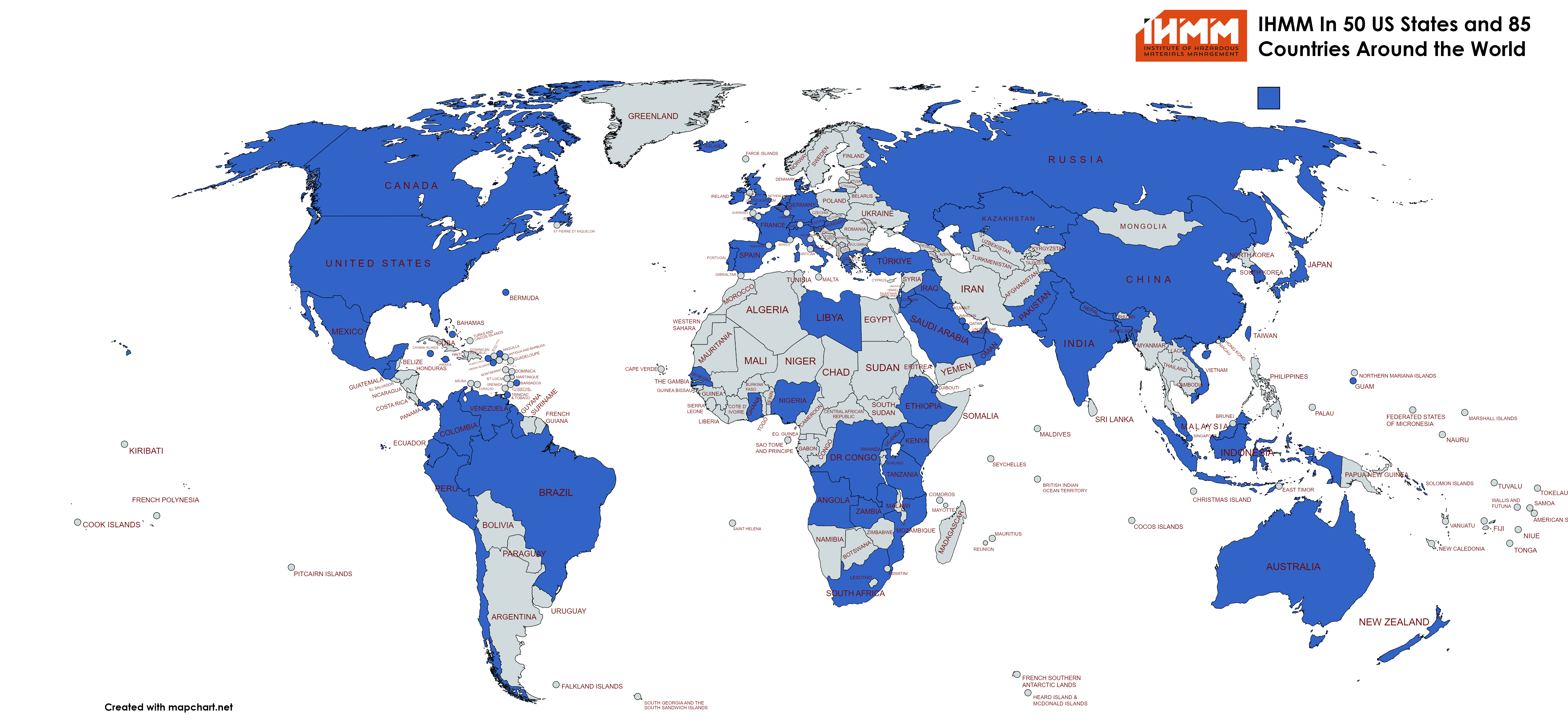
For the week of March 11–17, 2026, the regulatory picture for dangerous goods and hazardous materials transportation is being shaped more by active dockets, enforcement activity, and implementation measures than by any single new treaty text. Because today is March 15, 2026, this summary covers developments reported through March 15, and notes scheduled items through March 17 where those are already officially announced.
United States
In the United States, the most concrete new federal development this week is PHMSA’s March 12 notice announcing its 2026 Hazardous Materials Safety Research, Development, and Technology Forum, to be held March 31–April 2, 2026, in the Washington area. PHMSA said the forum will focus on research priorities, including efficient safety standards, risk reduction for emergency response, safe energy storage technologies, and innovative packaging, and will solicit industry input on future hazardous-materials transportation research needs. That is not a substantive rule amendment, but it is a meaningful regulatory signal because it shows where PHMSA intends to concentrate technical development and, likely, future rulemaking and guidance.
At the same time, PHMSA’s HM-215R harmonization NPRM remains the principal live rulemaking affecting U.S. hazmat transport. That proposal, published February 10, would update the HMR to better align with international standards on proper shipping names, hazard classes, packing groups, special provisions, packaging authorizations, air quantity limits, and vessel stowage. For U.S. shippers moving cargo internationally, the legal significance this week is that the comment period remains open and the agency is still clearly moving toward closer integration with the UN/ICAO/IMDG framework.
Europe
In Europe, ADR 2025 remains the settled legal baseline under UNECE auspices, and the main development this week is procedural rather than legislative: the RID/ADR/ADN Joint Meeting in Bern is now firmly on the near-term calendar for March 24–27, 2026, with the published agenda covering tanks, standards, interpretations, amendment proposals, reports of informal working groups, and accidents and risk management. That matters because the agenda shows exactly where the next amendment cycle is heading, especially on technical questions that affect battery vehicles, tanks, and multimodal consistency.
Europe also saw an important enforcement story on March 11: Europol announced a large international operation against environmental crime and waste trafficking, and Reuters reported that more than 330 people were arrested across 70 countries, with authorities seizing 127,149 metric tons of waste, 602 tons of polluting agents, 75 tons of plant-protection chemicals, and 2.3 tons of mercury. From a dangerous-goods perspective, this is more than an environmental-crime story; it is a reminder that illegal waste flows, hazardous substances, and transport-document fraud are now being treated as a cross-border enforcement priority.
Asia
In Asia, the most concrete government development remains China’s CAAC standard for large lithium batteries by air, which officially came into effect on February 26, 2026 and is directly relevant during this reporting week. CAAC states that the new industry standard, MH/T 1086-2026, sets requirements for testing conditions, thermal safety tests, package tests, and test reports for the air transport of large lithium batteries, particularly those over 35 kg that require special approval. This is a significant compliance development for Asian battery manufacturers, airlines, and exporters because it hardens the evidentiary and testing basis for approvals rather than relying solely on more general ICAO-level requirements.
The broader Asia-region transport environment is also being shaped by stricter battery-risk awareness. UL Standards & Engagement reported on March 10 a 40% increase in lithium-ion battery incidents in air cargo since 2021, underscoring why regulators and carriers are tightening controls. While that report is not itself law, it is precisely the sort of evidence base agencies and carriers rely on when they sharpen acceptance standards, training expectations, and inspection practices.
Africa
No major Africa-wide dangerous-goods statute appears to have been issued during this week, but the compliance environment is not static. South Africa’s transport guidance continues to anchor dangerous-goods transport in the UN-number, hazard-class, packaging, marking, and labelling framework derived from the UN Model Regulations, which remains the practical compliance reference point for road transport in the region.
The most important Africa-related transport news this week is again tied to security and waste enforcement, not fresh legislation. Reuters reported on March 10 that Human Rights Watch said an al Qaeda-linked group had killed 12 truck drivers and apprentices in an attack on a military-escorted fuel convoy in Mali. In parallel, the Europol-led waste-trafficking crackdown explicitly identified Africa as one of the destination regions for illicit waste exports. Together, those developments show two forms of African dangerous-goods risk now operating simultaneously: classic safety/compliance risk, and route-security risk for fuel and other hazardous cargoes.
Central and South America
In Central and South America, the most concrete week-of development comes from Colombia. The Ministry of Transport’s logistics portal posted March notices and training sessions tied to RNDC obligations, including sessions on logistics-time registration under Resolution 20243040058015 and broader obligations under Decree 1017 of 2025. Colombia also continues to maintain its dedicated SISCONMP system for drivers who transport dangerous goods, reinforcing that the region’s most important current regulatory movement is not treaty reform but traceability, registration, and training enforcement.
Argentina likewise remains in implementation mode. Its transport system is still operating under the previously announced extension allowing certain 2013–2015 model vehicles dedicated to dangerous-substances transport to continue operating through the end of 2026, provided they had the required dangerous-goods roadworthiness approval in place at the end of 2025. On the maritime side, Argentina’s Prefectura Naval had already moved earlier this year to align domestic practice with IMDG Amendment 42-24, including specific action on charcoal carriage safety, and those measures remain part of the legal landscape this week.
Cross-regional legal takeaway
The legal theme for this week is clear: dangerous-goods regulation is moving through implementation and enforcement channels as much as through formal amendments. In the United States, PHMSA is signaling future priorities through research and harmonization work. In Europe, UNECE and OTIF are preparing the next RID/ADR/ADN cycle while Europol is treating hazardous and illegal waste movement as a major criminal-enforcement issue. In Asia, battery-transport testing and approval requirements continue to tighten. In Africa and Latin America, route security, traceability systems, and training controls are becoming just as important as the underlying classification and packaging rules.
For practitioners, that means the operative standard of care now extends beyond checking the correct UN number and placard. It also includes certificate integrity, battery test evidence, driver qualification, cargo traceability, waste-chain legality, and the security profile of the route itself. That is the real regulatory direction of travel as of mid-March 2026.
